
Student Life & Well-being
AUTHOR: Bewise-Admin


Screens are everywhere today. From online education and homework applications to gaming, social media, and constant notifications, this generation of students is growing up with unparalleled digital accessibility. For parents, this creates a daily challenge: How much screen time is considered “too much,” and when does learning turn into distraction? Additionally, how can we counsel our children without engaging in arguments?
Raising children in today’s digital age is not just about deciding how much screen time to allow. It’s about fostering an awareness and understanding of the right balance and responsible usage.
Here are seven practical parenting tips to help establish better screen habits while nurturing confident and well-adjusted individuals:
Instead of asking, “How many hours did you spend on your phone?” you might say, “What did you use your phone for?”
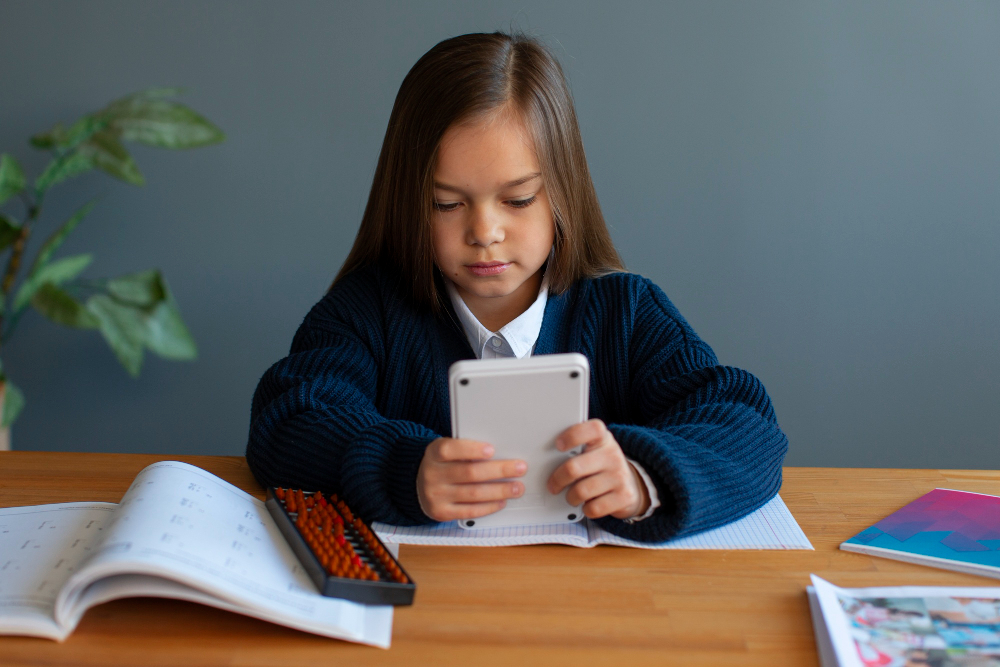
There is a significant difference between passive scrolling and active learning. Today, students engage with screens for various purposes, including:
A parent’s awareness regarding this difference will help them guide more informed choices. Promoting the proper use of technology will serve as an aid in achieving both educational success and acquiring lifelong learning skills. This strategy will go with the prevailing parenting advice, which is more concerned with awareness than prohibition.
Children need a structure, which is essential for their development, even if they may initially resist it. Establishing healthy boundaries helps children learn to manage their behavior independently. Some examples of healthy boundaries include:

All these practices boost concentration, sleep, and mood regulation. Regular practices are also part of the best parenting advice for learners that experts in the teaching sector, who closely collaborate with the parental community through BeWise, get to share.
As screens become the primary means of engagement, their use becomes unavoidable. The answer is not force, but alternatives.

Promote activities such as:
Such experiences promote child development activities for enhancing concentration, socialization, and confidence. Significantly, balanced daily activity routines are also vital for a child's overall personality development, helping them move beyond their digital identities or roles.
Kids need guidance, not scary online safety talk. Truly open online safety conversations should occur when all parties are calm.

Some of the important issues that should be discussed include
Such conversations are the beginning of smart digital citizenship and effective life skills education. Open conversations from parents create a trusting environment where children feel comfortable coming forward if they feel something is not right.
All screen time is not bad. Proper technology can increase curiosity, solidify an idea, and make learning interesting.
.jpg)
Parents can access:
Selecting quality educational apps for students enables children to use technology effectively. BeWise often provides tips and trends on the best educational apps to use that avoid overstimulating learning through technology, making technology a helper and not a hindrance to learning.
Children learn more from what their parents do than what their parents say. No matter how busy parents are, if their children see them on their phones constantly, their children will be the same. Simple changes can have a huge impact.

This is one of the best tips for becoming the best parent, and one of the most-followed tips for the best parents. When parents model balance for children, children naturally develop habits.
Assist students in seeing how screen discipline helps them later in life. Children understand the value when they realize that habits lead to results. Describe how balanced screen use assists with:

Such habits directly translate to long-term education and life skills. BeWise brings this philosophy to life through its various student services. Digital awareness is combined with other concepts such as leadership skills, financial knowledge, and decision-making ability.
Excessive time spent on screens impacts more than just our eyes and posture; it also affects attention span, emotional well-being, self-confidence, and interpersonal skills. However, in today's world, digital literacy is crucial for success.
Modern parenting seeks to find a balance: children should be empowered by technology rather than restricted by it.
Parents who are engaged, well-informed, and maintain open lines of communication tend to support their children more effectively.
This approach reflects evolving Indian parenting practices that prioritize awareness, adaptability, and long-term growth over strict control.
Screens are not the enemies. Unmindful use is.
1. What Are Smart Screen Habits for Students, and Why Are They Important?
Smart screen habits for students involve using digital devices with intention, balance, and awareness. Rather than engaging in endless scrolling, students are encouraged to use screens for learning, creativity, and skill development. These habits are essential as they promote concentration, emotional well-being, academic focus, and the development of long-term educational and life skills.
2.How can parents manage screen time without constant conflict?
Effective parenting tips for students emphasize guidance rather than restriction. Parents can minimize conflict by establishing clear digital boundaries, discussing the purposes of screen time, and involving children in the creation of screen rules. This approach fosters responsibility and supports healthy parenting practices in line with today’s digital realities.
3.Are educational apps really beneficial for children’s screen time?
Yes, when chosen carefully. Quality educational apps for students can turn screen time into learning time by enhancing understanding, curiosity, and engagement. Interactive platforms, skill-building apps, and age-appropriate learning tools help children use technology productively without overstimulation.
4. How do smart screen habits support child development and life skills?
Balanced screen use enhances focus, emotional regulation, communication, and decision-making. When paired with offline activities such as sports, reading, and creative play, healthy screen habits reinforce child development and promote essential life skills necessary for academic success and personal growth.

Blogs


© Copyright 2023 BeWise & Wisdom Tech Solutions. All Rights Reserved. BeWise College Campus is an initiative of Wisdom Tech Solutions Pvt Ltd focused on entrepreneurship and innovation programs for higher education institutions.