
Skills & Personal Development
AUTHOR: Bewise-Admin


Your degree isn't the only thing that defines your college experience. What truly shapes you are the life skills for students—leadership, teamwork, and adaptability—that you build along the way.
When people say, "college is the best time of your life," they're not just talking about freedom or friends. They're talking about that electrifying buzz of doing things beyond the classroom, the late-night fest planning, the intense coding marathons, the chaotic club meetings, the random jam sessions, the wins, the rejections, and the growth you didn't even realise was happening. But here's the catch: most students either overcommit and burn out or stay out of it all and regret it later.
This blog is your balanced guide to making the most of college clubs, hackathons, and fests, without losing yourself in the process.
Think about it. In the classroom, you learn theories. But outside it?
Campus life acts as the real-life classroom for life skills education. Here, you don’t just learn theories—you learn how to build communication skills, handle conflicts, and lead teams effectively.
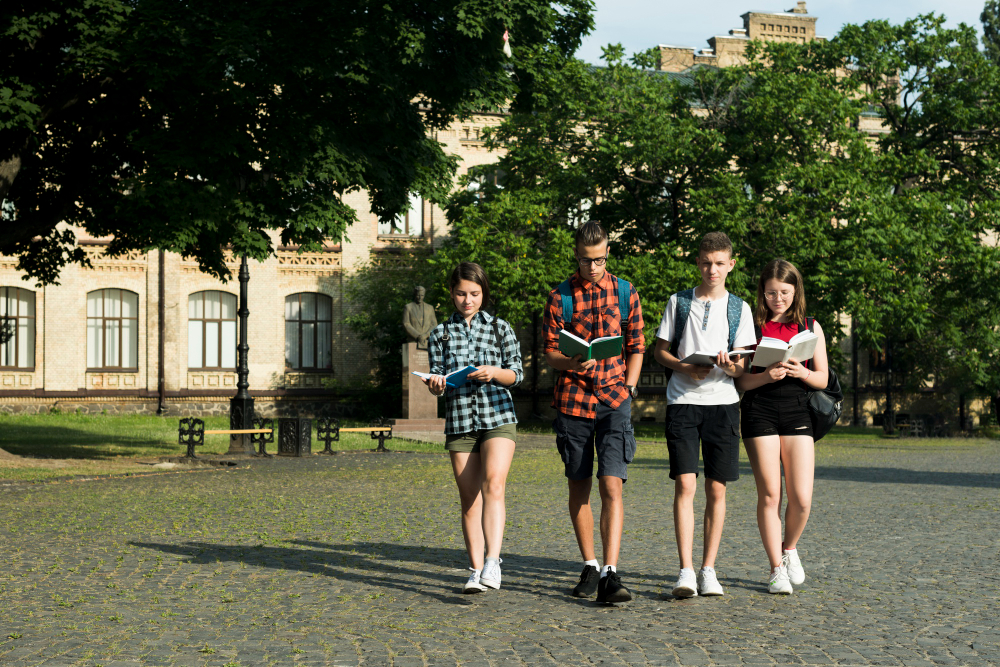
Whether you're into coding, theatre, music, finance, design, debates, or even stand-up comedy, campus activities are where your personality starts to evolve. And in a country like India, where the job market is increasingly competitive, what you do outside class often sets you apart.
Clubs are your first safe space to experiment without fear of failure. College clubs are where students learn how to build leadership skills in a safe, supportive environment. Activities like group projects, club events, or debates serve as team building activities for communication skills, helping students become confident leaders and collaborators.
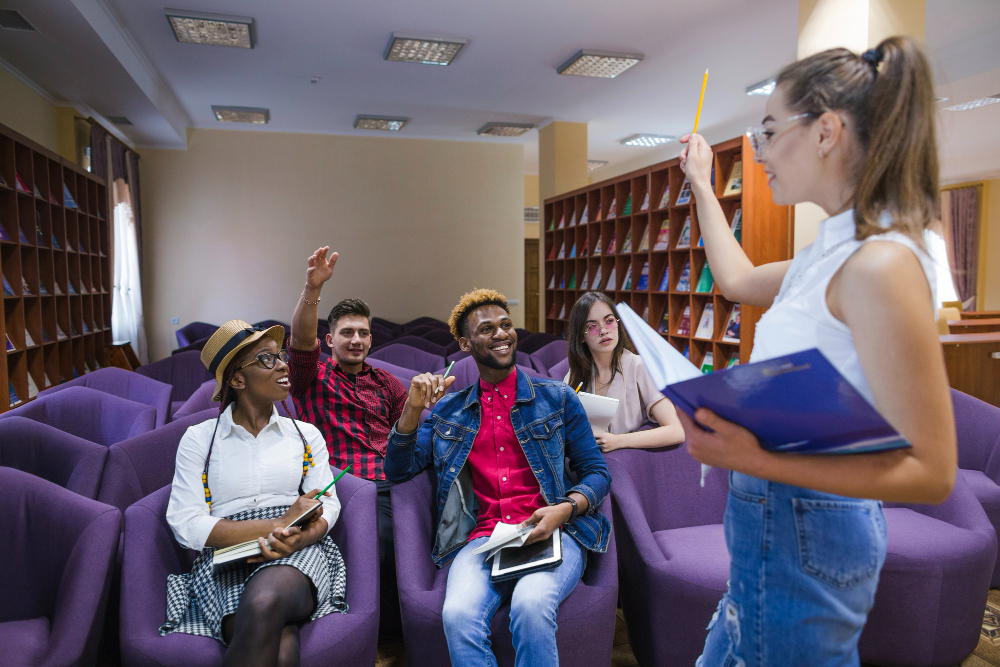
From literary clubs to entrepreneurship cells, they help you:
Pro tip: Don't just join. Get involved. Volunteer. Host. Speak. Lead.
You'll thank yourself later.
Yes, hackathons are intense. But they're not just for computer science students.
Designers, storytellers, business brains, and even psychology students bring value to hackathons, especially in product-building or social innovation challenges. Hackathons nurture the concept of entrepreneurship and innovation. Students get to think like entrepreneurs—identify problems, design creative solutions, and pitch ideas confidently.

You'll learn more in 24 hours of building and pitching than in weeks of theory classes.
Not a techie? Join as a creative, planner, or presenter. Teams need more than just coders. Several online internships for college students in India even value hackathon participation as proof of problem-solving and teamwork abilities.
If clubs are your labs and hackathons are your sprints, fests are your big bang performance. Organising or participating in college fests teaches you:

From lit fests to tech summits, from cultural nights to sports meets, each fest adds a new layer to your personality. From planning to performance, fests push you to reflect on what skills you are building for the future—whether it’s negotiation, creativity, or how to build communication skills under pressure. And let's be real; you'll remember the fest nights way more than a random semester exam.
This is where most students mess up. They either go all in and ignore their grades or stay glued to textbooks and miss out on life. Here's how to balance smart:
And remember: mental health > resume. Take breaks when needed. Real growth is not a race. Striking the right balance between academics and extracurriculars is a vital part of life skills education, teaching time management and prioritisation early.
If done right, clubs, hackathons, and fests help you:
These experiences curate your unique voice, your choices, and your story. The benefits of life skills education go far beyond the classroom—it’s about building confidence, responsibility, and leadership.
College is one of the few phases where you can try, fail, restart, and explore without serious consequences. So, take the stage. Sign up. Build something. Perform somewhere.
Get rejected. Learn. Laugh. Lead. Fall behind. Catch up. Start again. Because ten years from now, you won't remember your CGPA. You'll remember the club that made you feel like you were truly living your life.
The hackathon that made you believe you're smart. The fest that made you feel seen. And all of that? That's what turns a student into a story worth telling. These moments—of failure, collaboration, and courage—are the real lessons in life skills for students. College isn’t just about degrees; it’s about growing into someone ready to face the world with purpose, creativity, and resilience.

Blogs


© Copyright 2023 BeWise & Wisdom Tech Solutions. All Rights Reserved. BeWise College Campus is an initiative of Wisdom Tech Solutions Pvt Ltd focused on entrepreneurship and innovation programs for higher education institutions.