
Skills & Personal Development
AUTHOR: Bewise-Admin


College has always been about preparing students for exams, grades, and placements. But in today’s world, life skills education is just as important. Students need life skills for students, such as financial literacy, problem-solving, and adaptability, to thrive in the real world.”
In 2025, the world is moving faster than ever; AI, automation, shifting job markets, and global challenges are rewriting the rules. In this environment, being "book-smart" is not enough. College students need future-ready skills: equipped with the skills that help them adapt, innovate, and lead.
So, the real question is: What skills should you be building right now to stay ahead in the future? Let's break it down.

Tests and assignments will not prepare you to handle unexpected issues in the working world. Employers today want graduates who can analyze data, consider options, and provide creative solutions. Team building activities for communication skills, debates, research papers, and hackathons toughen you and strengthen your problem-solving skills. Having the ability to look at a complex problem and break it down into steps you can take will be your strongest asset in the career path you pursue.
You're a part of the first generation entering a job market where AI, cloud platforms, and digital collaboration are the norm. It's not just about knowing how to use tools, it's about understanding them. Can you spot misinformation? Do you know how to use AI responsibly? Can you stand out using platforms like GitHub, Canva, or Figma? The more fluent you are in tech, the more employable you become. In India, digital literacy skills are becoming a core part of life skills education, ensuring students are ready for tech-driven workplaces.
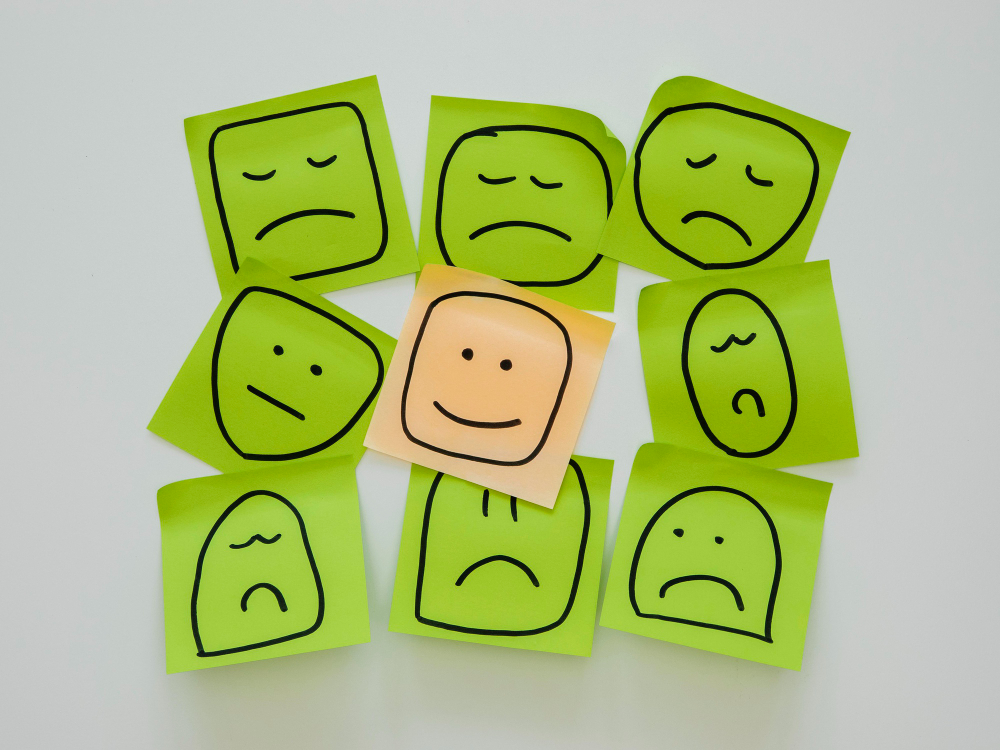
College life is stressful too: deadlines, internships, relationships, and career stress. That's where emotional intelligence (EQ) enters. Empathy, resilience, and self-awareness skills will help you make better connections and keep your footing when times get difficult. Being able to control your emotions, rather than the other way around, makes you a better team player on group projects, a more effective leader, and even a better job interview candidate.
.jpg)
Too many students leave college without knowing how to budget a month's expenses, use a credit card, or save for a goal. Financial education for college students is not about cash; it's about autonomy. Begin with such fundamentals as budgeting programs, understand how investments operate, and get schooled on student loans before inking the deal. The importance of financial literacy goes beyond money management—it’s about independence and informed decision-making. In India, improving financial literacy for students is crucial to prevent debt traps and promote stability. The long-term benefits of financial literacy include financial freedom and confidence.
AI might be able to process data quicker than you, but it cannot be as creative as you. Creativity is what makes future students different. Whether you are creating a project, or pursuing the arts, creative thinking allows you to differentiate yourself. This also ties into the concept of entrepreneurship, where students turn creative ideas into startups, projects, or innovations. Participate in entrepreneurship cells, design clubs, or innovation labs on campus. They are your areas of practice for industries that don't even exist yet.
Your working life will not be about classmates or colleagues from your hometown. The majority of you will work with global teams located remotely in different time zones. Good communication, listening, and teamwork skills are absolutely crucial. Group projects and cultural exchanges teach you how to build communication skills that matter in global workplaces. Take opportunities to bring in your ideas, guide the process, and participate in cultural exchange programs or virtual global competitions.

If the pandemic has taught us anything, it is that change cannot be avoided. Courses were moved online overnight, internships were shortened, and career directions were redirected. Career-resilient students know how to adjust when the unexpected hits. Perhaps it's learning something new in a hurry, adapting to virtual internships, or switching career goals, resilience equips you for success. It is not a question of preventing failure, it is a question of coming back stronger each time.
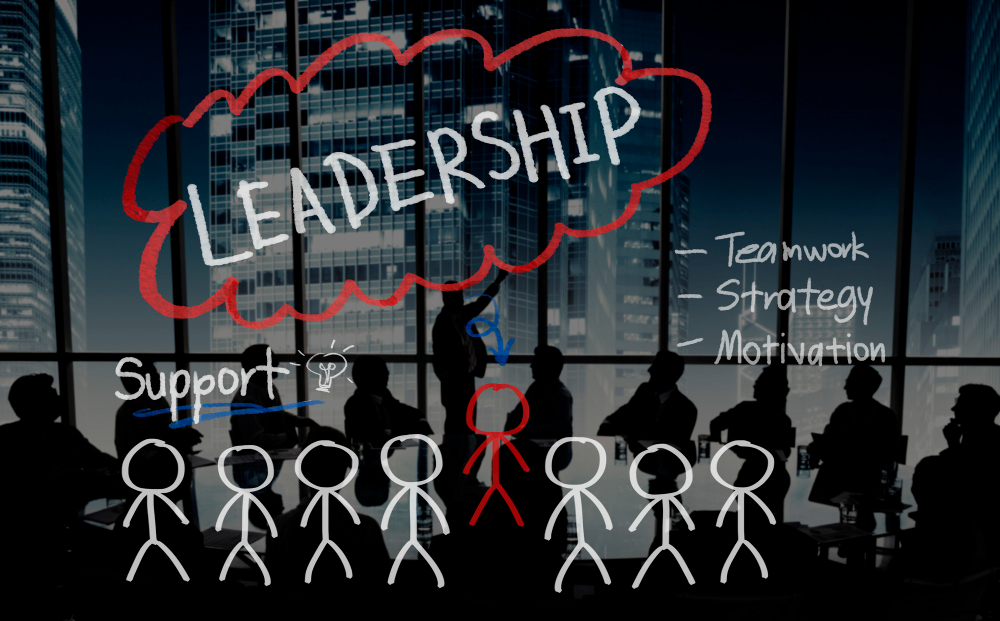
Learning how to build leadership skills in college doesn’t require a CEO title. It’s about initiative, responsibility, and teamwork. Entrepreneurial students identify opportunities where others find obstacles. That could be starting a side business, founding a student organisation, or proposing a social innovation project. Even minor exposure, like captaining a fest team or organising a campus event, can provide you with decision-making, responsibility, and confidence. These are the same qualities that employers and investors seek in up-and-coming leaders.
It is not the students alone who should build future-proof skills. Colleges have a role in providing platforms ranging from career guidance and skill-building workshops to industry collaborations and incubators, to enable students to learn, experiment, and develop.

However, students must engage seriously with these opportunities rather than pursue marks alone. Placements after all do not solely rely on marks; they rely on whether you have developed the skills that make you employable and versatile.
The future is not for students who learn to memorise theories alone. The future is for those who can think critically, harness technology intelligently, innovate boldly, and lead with empathy. Being college-ready as a future person means venturing beyond the comfort zone of lectures and exams to develop a set of life skills, financial literacy and digital skills, resilience and entrepreneurial mindset included.
Therefore, remind yourself today: Are you merely studying for exams, or studying for the future? Reach out to us at https://collegecampus.bewise.in/, to learn about how we collaborate with colleges to deliver student success through skill development programs.
5. Why should colleges include life skills education in their curriculum?
Colleges that integrate life skills education prepare students not just for exams but also for life. Training in areas like financial literacy, leadership, and communication ensures graduates are future-ready.

Blogs


© Copyright 2023 BeWise & Wisdom Tech Solutions. All Rights Reserved. BeWise College Campus is an initiative of Wisdom Tech Solutions Pvt Ltd focused on entrepreneurship and innovation programs for higher education institutions.