
Career Readiness & Employability
AUTHOR: Bewise-Admin


A college degree is no longer the guaranteed roadmap to the path of success that it once was. It will create the foundation, but it's no longer enough to guarantee a job, let alone a great one. Employers today are not just looking for students who have graduated college. They are looking for students who take initiatives, who are contributors and creators and adaptable learners who can hit the ground running. They want proof of your skills and extracurriculars over the degrees that all your counterparts carry. This is where skills-based certifications come in. They're not just bullet points on a resume. They're signals. They show that you've gone above and beyond your syllabus. That you're driven. That you are passionate about learning the tools and technologies that will define your future industry.
So, what certifications are worth pursuing while you're still in college? Which ones catch an employer's eye and, more importantly, build real-world capabilities?
Let's explore the best certifications that will boost your employability before graduation and why they're more important than ever.
According to a 2023 report by Coursera, over 89% of learners who completed a professional certificate reported a positive career outcome, including landing a new job, getting a promotion, or starting a business. Employers are also catching on. Companies like Google, IBM, Meta, and Salesforce actively hire candidates with specific certifications, even without traditional degrees. The reason behind this is that certifications show you're serious. They prove you can learn independently, manage your time, and apply your knowledge. And with the explosion of online platforms, many top-tier certifications are now accessible from your dorm room (or your phone).
These are among the most employer-recognised certificates you can get online. They are offered in areas like:
The most advantageous part is that they are beginner-friendly, flexible, and take only about 6 months to complete. Reports by Google state that over 75% of its program graduates experience a positive career impact within six months of their certification.
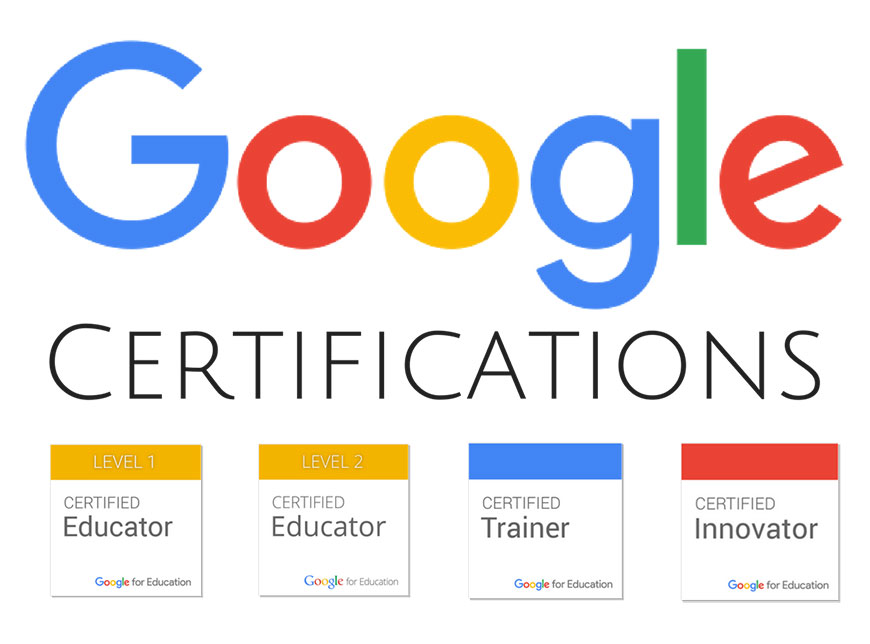
Thus, this makes it perfect for students looking to build in-demand skills in tech, even without a technical degree.
Meta's Blueprint certifications are like hitting the jackpot if you are eyeing a career in digital marketing, social media, or advertising. You'll learn how to run ads on Facebook and Instagram, manage campaigns, analyse performance, and build brand strategy.
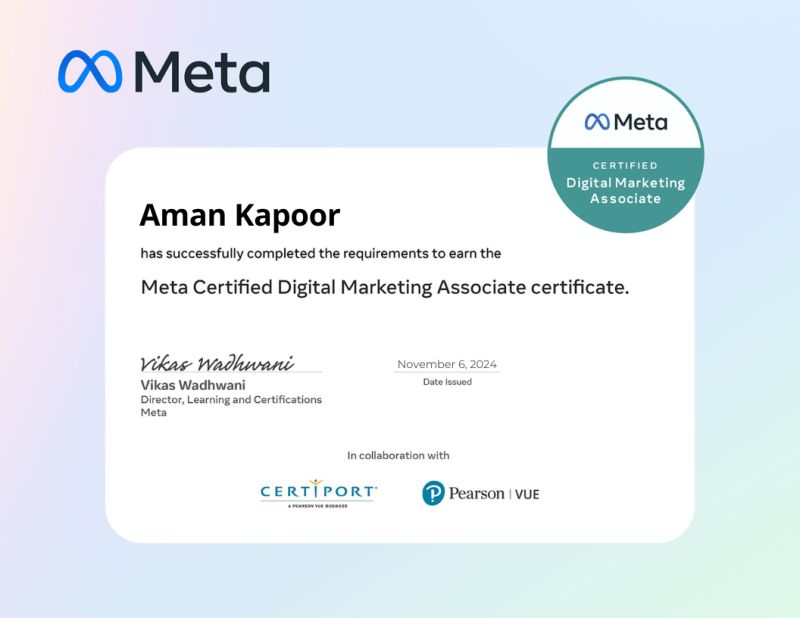
These certificates are most applicable to marketing, business, and communications students, but are also extremely useful for entrepreneurs as well.
This digital marketing certification is a must-have if you are interested in the field of content marketing or growth marketing. HubSpot's certification covers topics such as SEO, blogging, email marketing, lead nurturing, and customer retention.
It's 100% free and adds weight to your resume in any business or digital communication role.
If you are someone who is even mildly interested in business, analytics, or tech, learning data skills is non-negotiable. The courses mentioned below can give you a solid grasp of the tools companies actually use. Think dashboards, trend analysis, and data visualisation. You don't need to be a magician with numbers. You just need to be someone who is willing to expand their knowledge.
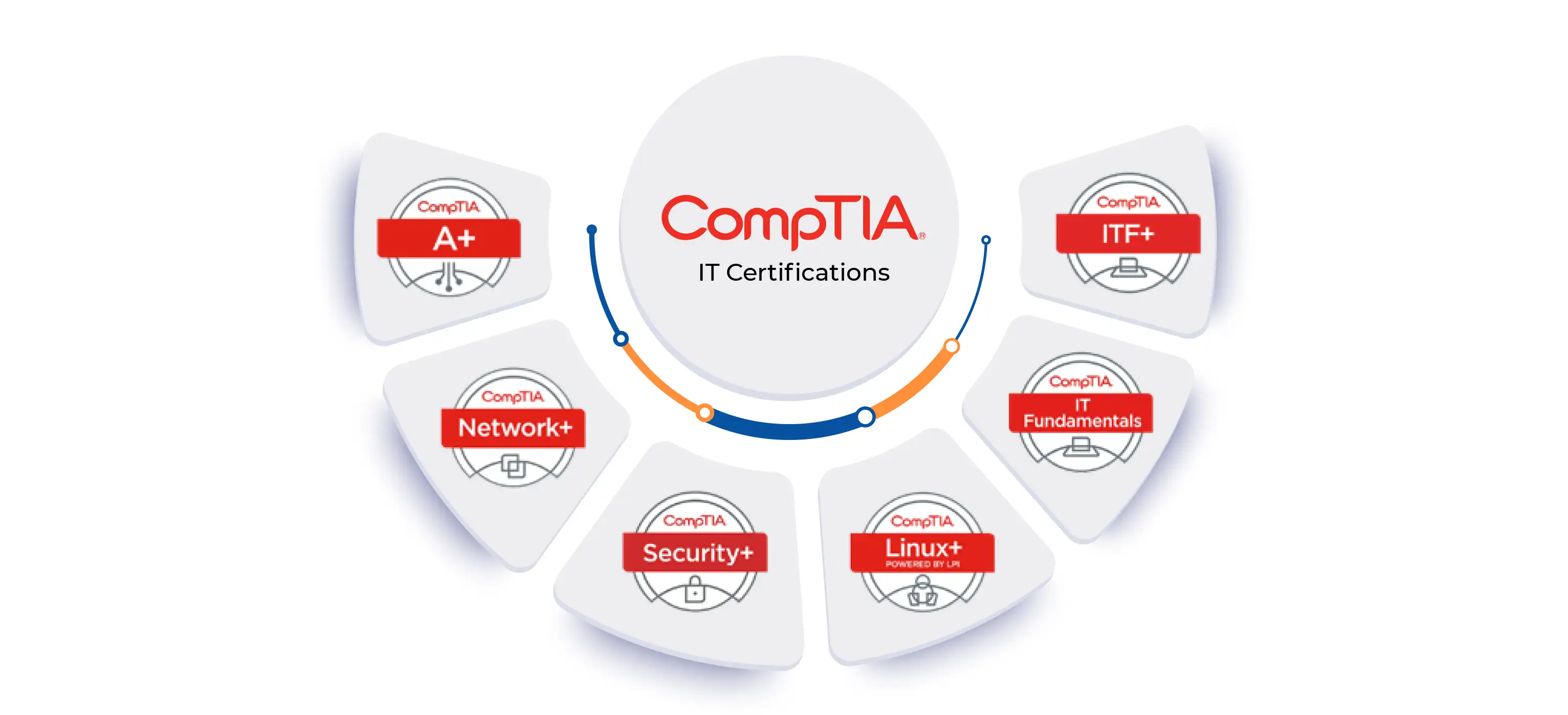
Tech isn't just for computer science majors. The CompTIA series is a great place to start if you're curious about networks, security, or infrastructure. These include:
With India emerging as an IT hub and cybersecurity threats rising every day, these certifications are future proof.
Project management is a skill that applies to everything, from constructing a business to executing a marketing campaign to overseeing a tech team. While the PMP (Project Management Professional) requires experience, the CAPM (Certified Associate in Project Management) is ideal for college students.
It teaches frameworks like Agile, Scrum, and traditional project workflows. With companies increasingly hiring for roles that demand execution and coordination, this credential will set you apart.
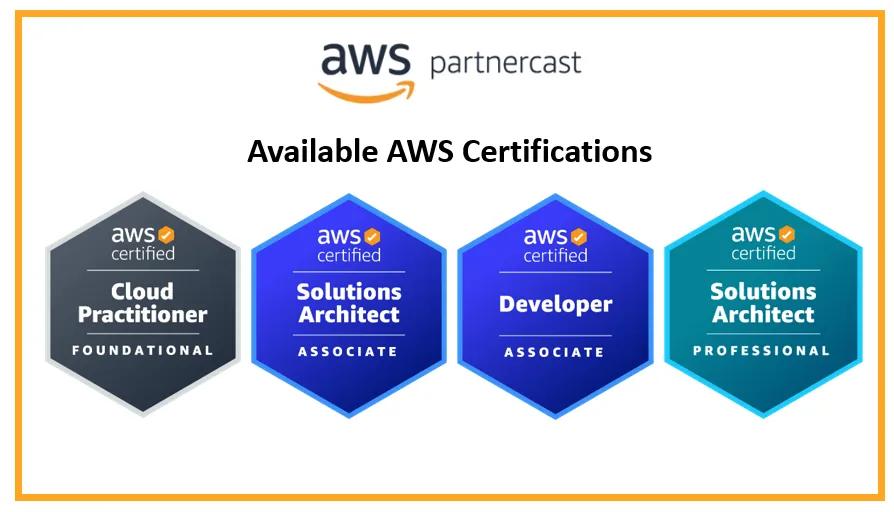
Cloud computing is everywhere. From Netflix to your online class platforms, cloud tech powers it all.
The AWS Cloud Practitioner certificate is an entry-level course explaining how cloud infrastructure works and its critical role in modern business. With more companies moving to the cloud, having this skill, even at a basic level, gives you a significant edge in tech, business, and even product roles.
Do you think Excel is boring? Think again. Excel skills alone can increase your efficiency and make you a star in internships and entry-level jobs.
.jpg)
The MOS Certification covers advanced Word, PowerPoint, and Excel features- like pivot tables, formulas, automation, and data visualisation. This certification is highly valued in consulting, finance, data, and admin-heavy jobs.
Being bilingual isn't just a luxury to procure. It opens doors in international business, diplomacy, hospitality, education, and even tech support. Popular certifications include:
These not only improve communication skills but also boost cognitive flexibility and cross-cultural understanding which are key skills in a global workforce.
In today's fast-paced world, design is communication. Whether you're pitching a product or building a brand from scratch, design skills will always come in handy. Certifications in tools like:
can be invaluable in careers like marketing, advertising, product design, content creation, and even entrepreneurship.
Not every certification on the internet will be relevant to your career goals. Here's how to decide:
Getting certifications while in college is not merely about impressing hiring managers. It's about gaining confidence, learning your strengths, and becoming career-ready while your classmates are still figuring things out.
You don't need to do them all. Start with one. Explore it. Apply it. And let the momentum from that one step take you closer to your goals. In a world where degrees are common, what truly makes you employable is what you do beyond them.

Blogs


© Copyright 2023 BeWise & Wisdom Tech Solutions. All Rights Reserved. BeWise College Campus is an initiative of Wisdom Tech Solutions Pvt Ltd focused on entrepreneurship and innovation programs for higher education institutions.