
Skills & Personal Development
AUTHOR: Bewise-Admin


What will it take to succeed in 2030?
Success will not be determined solely by grades or degrees. The future will belong to students who can think critically, adapt quickly, and make informed decisions in their lives, work, and finances. As technology transforms industries and artificial intelligence becomes an integral part of every career, schools must go beyond traditional academics to teach essential real-world life skills.
The students who will thrive in the next decade will be those who combine digital proficiency, emotional intelligence, creativity, and financial literacy. This combination will empower them to lead confidently in a constantly changing world.
By 2030, students will encounter challenges that we cannot even predict today. Critical thinking will be essential, whether it involves asking ethical questions about artificial intelligence or addressing global sustainability issues.

Schools must move beyond rote learning and encourage students to question, debate, and analyze. Inquiry-based and project-based learning can help students develop thinking skills that extend far beyond traditional textbooks. Critical thinking is not merely about having the answers to difficult questions; it's about understanding what questions to ask.
Understanding technology is becoming essential. Students need to learn how to use, manage, and even create with AI. Digital literacy will influence everything from their work to their thought processes.
.jpg)
Schools should begin integrating AI tools into the classroom to teach responsible technology to use and prepare students for jobs that combine human creativity with machine efficiency. Introducing AI-driven adaptive learning and basic coding will help students see technology not as a threat but as a partner in innovation.
If there's one skill that can significantly impact a student's future, it's financial literacy. Unfortunately, many students graduate without a solid understanding of budgeting, saving, and investing. By 2030, when students enter a rapidly changing gig economy, the ability to make informed financial decisions will be essential.
.jpg)
Teaching financial literacy through hands-on workshops and simulations can help students develop early habits of saving, managing debt, and building long-term financial security. For example, BeWise’s Financial Literacy & Foundation program (contact@bewise.in or visit www.bewise.in) focuses on this important aspect, helping young minds view money not as a source of stress but as an opportunity.
Building financial literacy in India isn't just a good idea; it's a necessity for preparing future-ready citizens.
The workplace of the future will be borderless. Students will collaborate with peers from different cultures, time zones, and disciplines. This makes communication skills essential—not just speaking fluently, but also actively listening, writing clearly, and understanding perspectives that differ from their own.

Team-building activities in schools designed to enhance communication skills help students learn how to express their ideas, negotiate differences, and work towards shared goals. After all, innovation flourishes when diverse minds come together.
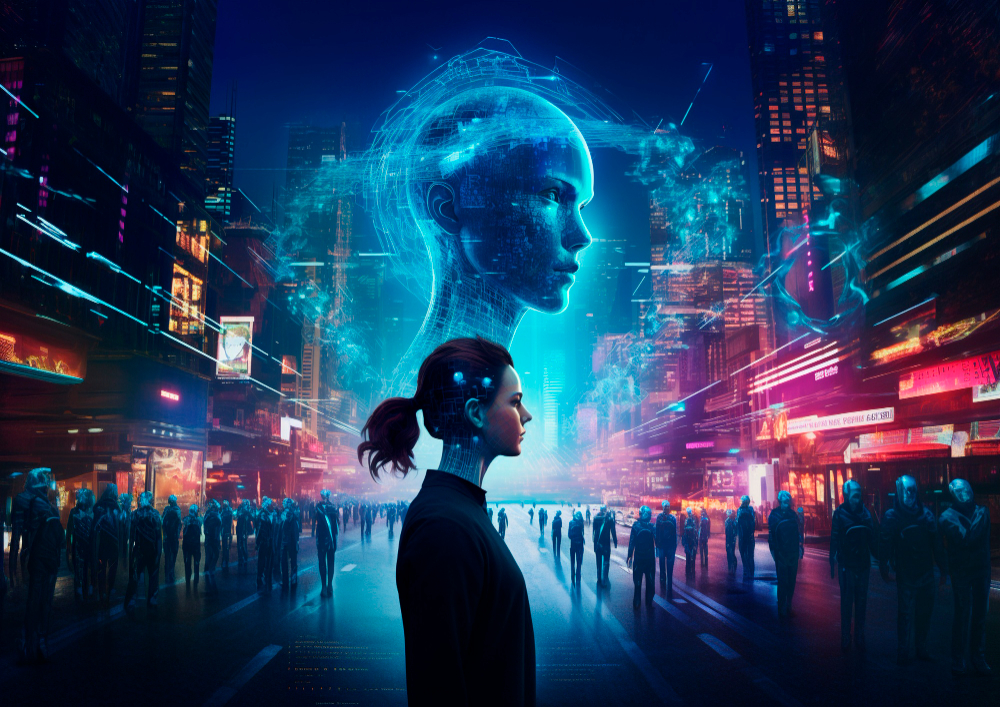
Artificial intelligence can analyze data, but it cannot imagine. Therefore, creativity will continue to be one of the most valuable human skills.
Encouraging design thinking, art, and entrepreneurship projects allows students to explore their curiosity and discover unique ways to solve problems.
Schools must introduce the concept of entrepreneurship early on, helping students think like innovators rather than just employees. Programs linked to entrepreneurship development centers and innovation institutes can guide young learners in turning their ideas into impactful solutions.
Leaders in 2030 will be vastly different. It won't be about power but empathy, working collaboratively, and self-knowledge. Highly emotionally intelligent students will emerge as resilient, reflective leaders who engender trust. Students with high emotional intelligence will stand out as adaptable, thoughtful leaders who inspire trust.
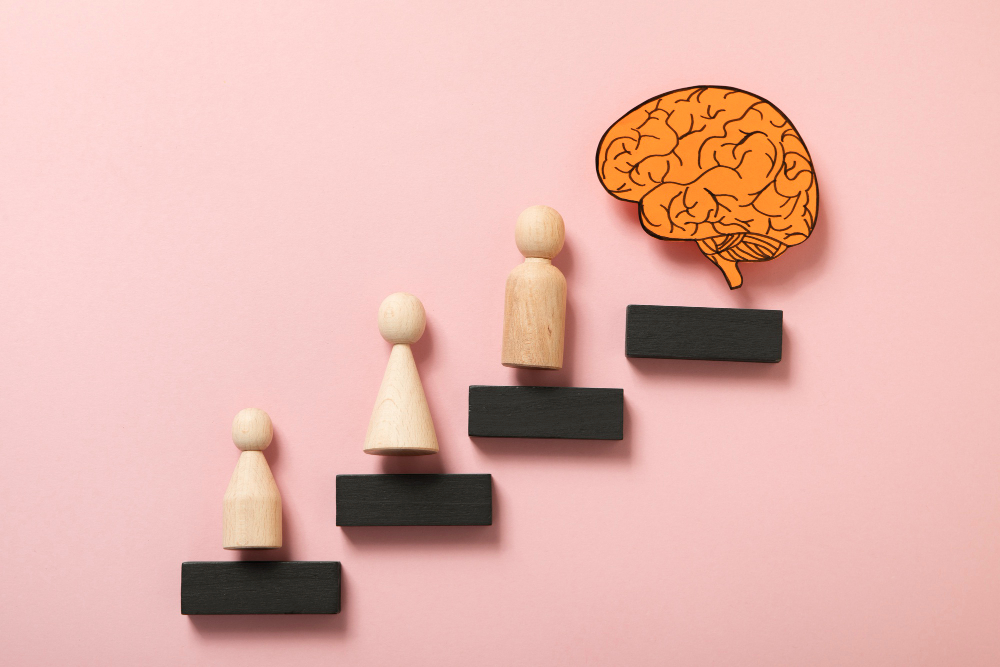
Through school clubs, community service, and group projects, educators can help students practice these skills early. When students learn how to build leadership and communication skills, they grow into individuals capable of guiding others through uncertainty.
Theory is learned in classrooms, while reality is understood through internships. By 2030, internships for high school and college students will serve as gateways for discovering passions and building professional confidence. In India, exposure to various industries, mentorship programs, and internships will give learners a significant advantage in identifying the skills required for their future careers.
Schools that encourage these experiences will produce graduates who are not only employable but also entrepreneurial.

By 2030, success will be defined not by how much students know, but by how well they can adapt, think critically, and make connections. Schools, parents, and policymakers must collaborate to create environments that value curiosity as much as knowledge and skills as much as test scores.
The future does not wait; it rewards those who are prepared. Therefore, the crucial question for every student and educator today is: What skills are you developing for the future?
By 2030, student success will rely on a combination of critical thinking, digital literacy, financial literacy, emotional intelligence, and creativity. These skills will equip students not only for their careers but also for navigating a world influenced by technology, global collaboration, and ongoing change.
Why is financial literacy for students becoming increasingly important?
Financial literacy is crucial because it empowers students to make informed financial decisions from an early age. As India transitions toward a digital and gig-based economy, students who understand budgeting, saving, and investing will establish a stronger foundation for long-term financial security.
Schools can prepare students for a future shaped by AI by integrating adaptive learning powered by AI, teaching coding basics, and providing digital literacy modules. These approaches will help students grasp how technology functions. Additionally, teaching responsible technology usage alongside creative problem-solving will ensure that students view AI as a collaborative partner in innovation rather than a threat.

Blogs


© Copyright 2023 BeWise & Wisdom Tech Solutions. All Rights Reserved. BeWise College Campus is an initiative of Wisdom Tech Solutions Pvt Ltd focused on entrepreneurship and innovation programs for higher education institutions.