
Career Readiness & Employability
AUTHOR: Bewise-Admin


%20(1).jpg)
Most students graduate with strong academic records and very little idea of how to lead.
Not because they lack intelligence. But because most institutions haven't given them the right environment to practice it.
Leadership isn't something students suddenly develop after getting a job or a title. It builds gradually, through deliberate exposure to real challenges, managing conflict, making decisions under pressure, communicating across differences, and taking responsibility for outcomes.
For colleges, this is both a challenge and an opportunity.
The hiring landscape has shifted considerably. Employers across sectors are no longer looking only at grades and technical knowledge. According to LinkedIn's Global Talent Trends Reports, soft skills - communication, adaptability, collaboration, and initiative - consistently rank among the most sought-after qualities in new graduates.

What this means for institutions is straightforward: two students with identical academic profiles can have vastly different career outcomes, depending on whether they've had the opportunity to develop real-world competencies alongside their coursework.
Institutions that build structured pathways for student leadership development are producing more employable, more resilient graduates. Those that don't are leaving students underprepared, and that reflects on placement outcomes, institutional reputation, and long-term alumni success.
Many students and some institutions still associate leadership with personality type. The assumption is that leadership belongs to those who are extroverted, confident, or already in senior positions.

In practice, leadership is far more functional than that. It shows up as:
These are learnable behaviors. But they require the right conditions, which is where institutions play a critical role.
Internships do more than give students a line on their CV. When structured well, they place students in environments where decisions have consequences, deadlines are real, and communication needs to be clear.

The right internship teaches students how to work within teams, solve problems independently, and manage professional relationships. These are the skills that no lecture series can replicate.
For colleges, offering students access to quality internship programs for colleges is one of the most direct ways to improve graduate employability and demonstrate institutional value to employers.
There is a significant difference between a student who attends a college event and one who organizes it. The latter learns coordination, crisis management, delegation, and time-pressure management in ways that stay with them.
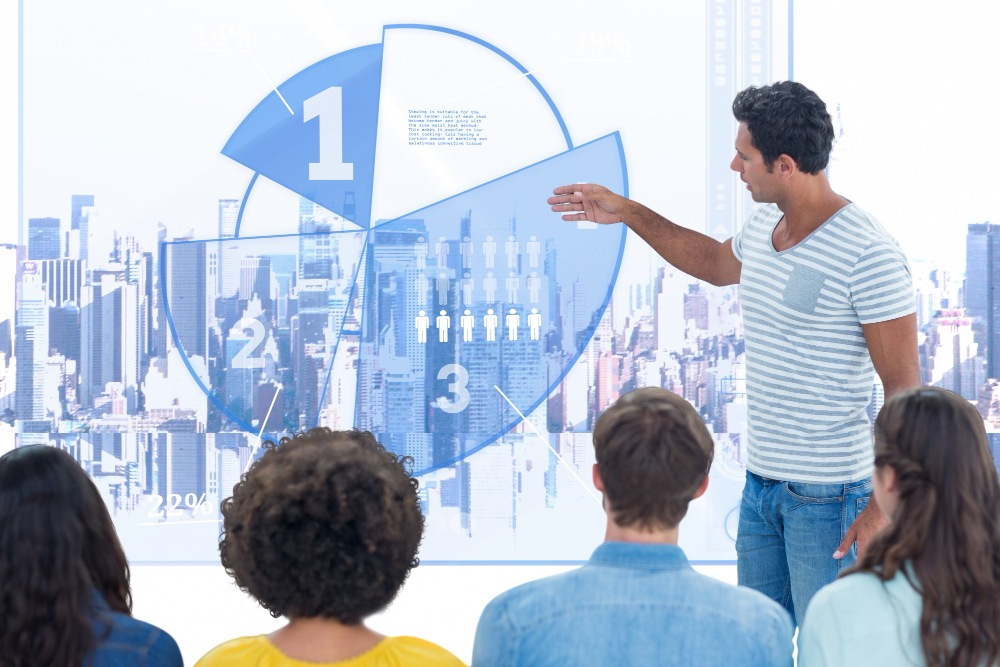
Institutions that actively create structured leadership roles within student activities rather than leaving it entirely informal, tend to develop far more confident graduates.
Leadership develops fastest when there are real stakes attached. Projects with actual outcomes, case study competitions, community initiatives, and cross-disciplinary group work all give students the experience of leading and contributing within teams.

Programs designed around competency-based and experiential learning consistently produce stronger results than traditional instruction alone.
Public speaking remains one of the most cited fears among college students and one of the most important professional skills across career paths.
Institutions that build communication development into their programs through presentations, debates, group discussions, and structured interactions equip students with the confidence to perform in interviews, meetings, and leadership roles.

This is an area where most career counselling for students falls short. Careers are built through interactions, not credentials alone.
Students who spend their entire college journey within one institution often struggle to adapt once they enter more diverse, unpredictable professional environments.

Structured exposure through volunteering, social impact projects, industry networking, international collaborations, or global study programs builds the kind of cultural awareness and situational confidence that makes graduates genuinely adaptable.
For institutions, facilitating this kind of exposure doesn't have to mean large-scale international programs. Even well-structured local experiences outside the academic environment make a measurable difference.
Leadership isn't only about managing others. It's also about making sound decisions for one's own life and career.

Students who develop early awareness of career pathways, scholarship opportunities, global education options, and financial planning enter the workforce with greater clarity and purpose. They ask better questions, make more informed choices, and adapt more quickly to professional expectations.
Institutions that embed career counselling and planning into the student experience rather than offering it only at graduation produce graduates who arrive in the workplace better prepared.
Leadership development is still treated as an extracurricular add-on in many colleges, something separate from the academic program, optional, and under-resourced.
A single annual seminar or a motivational speaker session doesn't build leadership. What builds leadership is consistent, structured exposure to real challenges over time with proper support.
Students need environments where they can make decisions, experience the consequences, and course-correct. Without that, confidence remains theoretical.
BeWise College Campus works directly with academic institutions to give students access to structured, real-world development opportunities - the kind that translates into stronger placement outcomes and more well-rounded graduates.
Through the BeWise platform, partner colleges can offer their students:
These are not isolated interventions. Together, they create the kind of holistic student employability programs environment that institutions need to stay competitive and relevant.
Students rarely wait to feel ready before stepping up. They step up when the environment asks for it.
Institutions that create those environments don't just improve individual student outcomes. They strengthen their own reputation, improve employer relationships, and build a community of alumni who credit their college with genuinely preparing them for the world.
That is what BeWise College Campus is designed to support.
We work with institutions across India to build practical, outcome-focused student leadership development programs. If you're looking to strengthen your students' leadership skills and improve their employability, we'd be glad to have a conversation.
By moving beyond classroom instruction and creating structured pathways for real-world experience including internships, collaborative projects, communication development, and career planning. Platforms like BeWise College Campus help institutions deliver these opportunities at scale.
Internships place students in accountable, professional environments where decisions have real consequences. They build responsibility, communication skills, and adaptability far more effectively than theoretical coursework alone.
Communication, collaboration, critical thinking, initiative, and adaptability. These competencies are increasingly weighted as heavily as academic performance in graduate hiring decisions.
By integrating them intentionally into the student development framework with clear outcomes, mentorship, and reflection built in. Informal participation has value, but structured programs produce more consistent results.

Blogs


© Copyright 2023 BeWise & Wisdom Tech Solutions. All Rights Reserved. BeWise College Campus is an initiative of Wisdom Tech Solutions Pvt Ltd focused on entrepreneurship and innovation programs for higher education institutions.