
AUTHOR: Bewise-Admin


A substantial degree is no longer sufficient to ensure a smooth transition into the workplace. Today, employers across various sectors are grappling with a more pressing question: Can this student communicate clearly, adapt quickly, and collaborate effectively with others? This shift highlights why career readiness is now defined as much by mindset and behavior as it is by academic performance.
When it comes to internships, placements, and first jobs, college students' soft skills significantly impact their career outcomes. These skills shape how students present themselves, manage pressure, and navigate professional environments. Below are six practical, proven methods to help students develop career readiness by strengthening the soft skills that employers actively seek.
Employability is fundamentally linked to effective communication. This communication encompasses various forms, including interviews, presentations, group interactions, and professional exchanges. The importance of practice in this area is often underestimated by students.
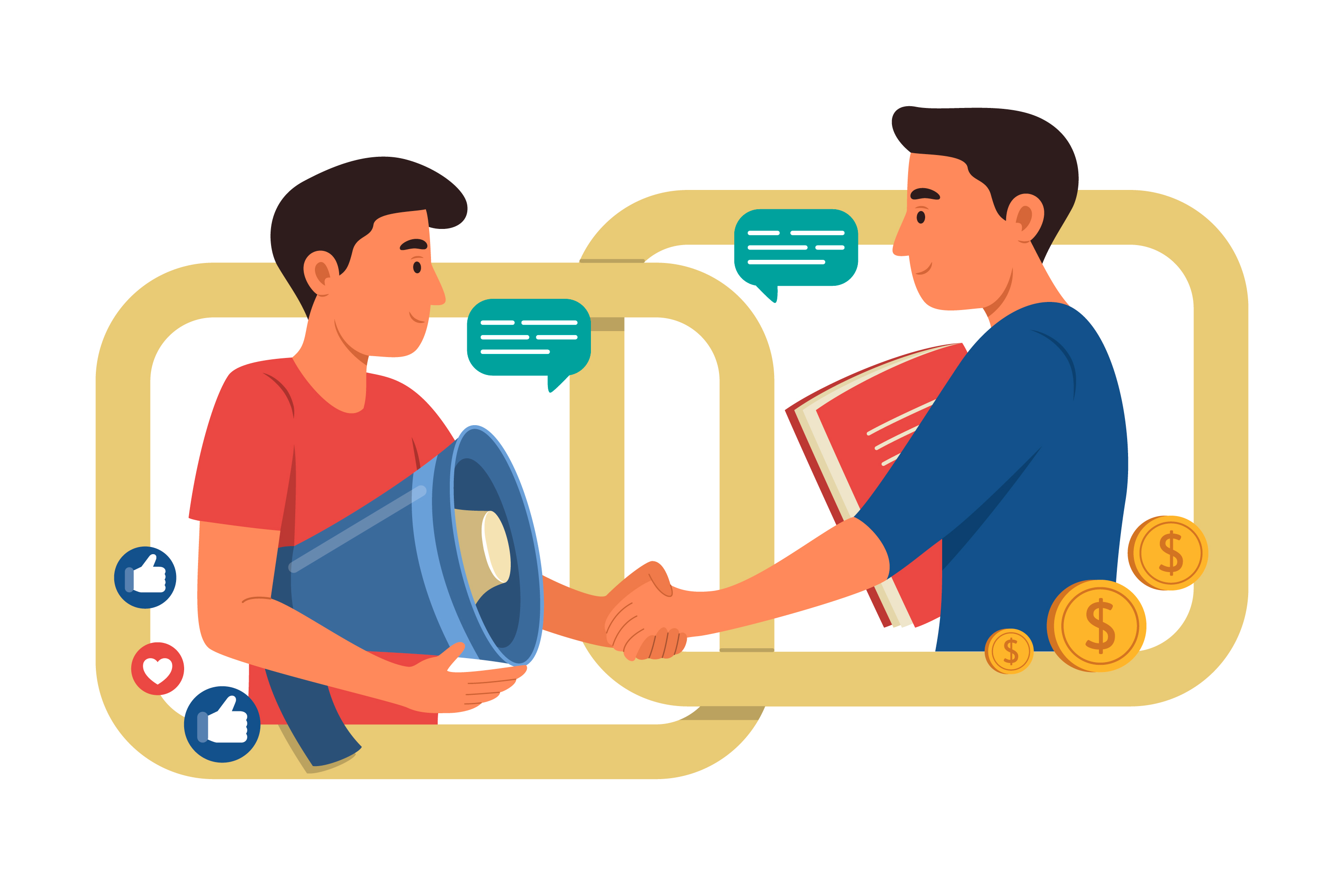
To become career-ready, students should focus on:
- Clearly expressing their thoughts during group discussions.
- Composing professional emails and reports.
- Listening actively and responding thoughtfully.
Participating in student workshops or clubs that emphasize soft skills can help bridge the gap between academic language and that of the corporate world. Engaging in debates, discussing case studies, and delivering presentations to peers will prepare students for the corporate environment, which demands clear and critical thinking.
Confidence is developed through practical experience rather than theoretical knowledge. Internships for college students in India are excellent platforms for cultivating essential soft skills. When students interact with managers, clients, and colleagues, their learning becomes experiential.

Even short-term internship programs for students teach valuable lessons in adaptability and responsibility. Platforms like CollegeCampus help students explore structured internships that focus not only on technical tasks but also on behavioral learning.
Career success largely depends on an individual's ability to manage their own emotions as well as the emotions of others. Emotional intelligence allows students to respond effectively to feedback, navigate conflicts, and handle stress without losing motivation.
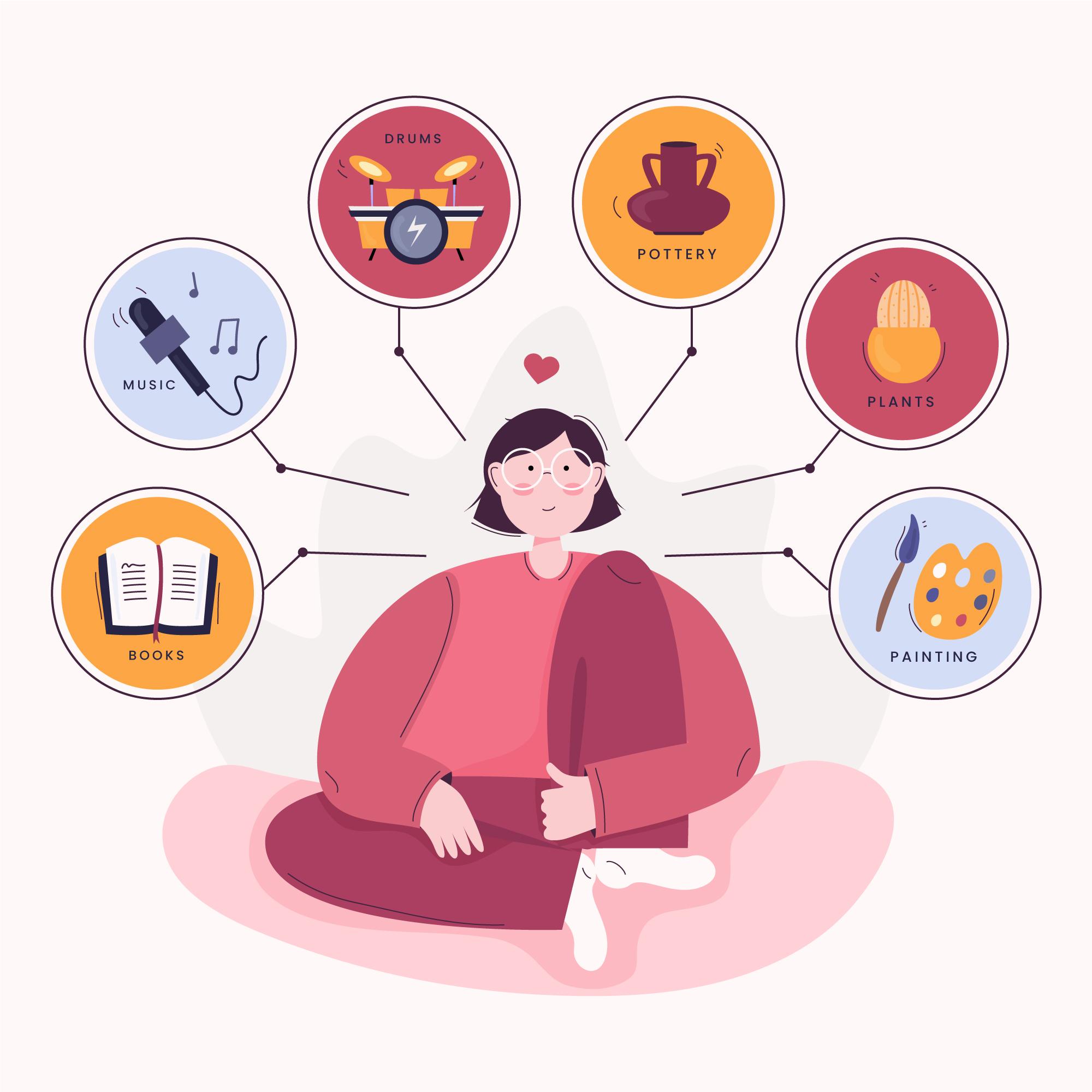
Students can develop this skill by:
- Reflecting on their strengths and weaknesses
- Learning to accept constructive criticism
- Practising empathy within team environments
In many cases, courses for the career development of students would include training sessions on EQ because self-aware individuals learn faster in a changing environment.
Every workplace operates as part of a larger ecosystem, requiring collaboration to complete projects successfully. Students develop these collaborative skills from a young age, making it easier for them to adapt to a professional environment.
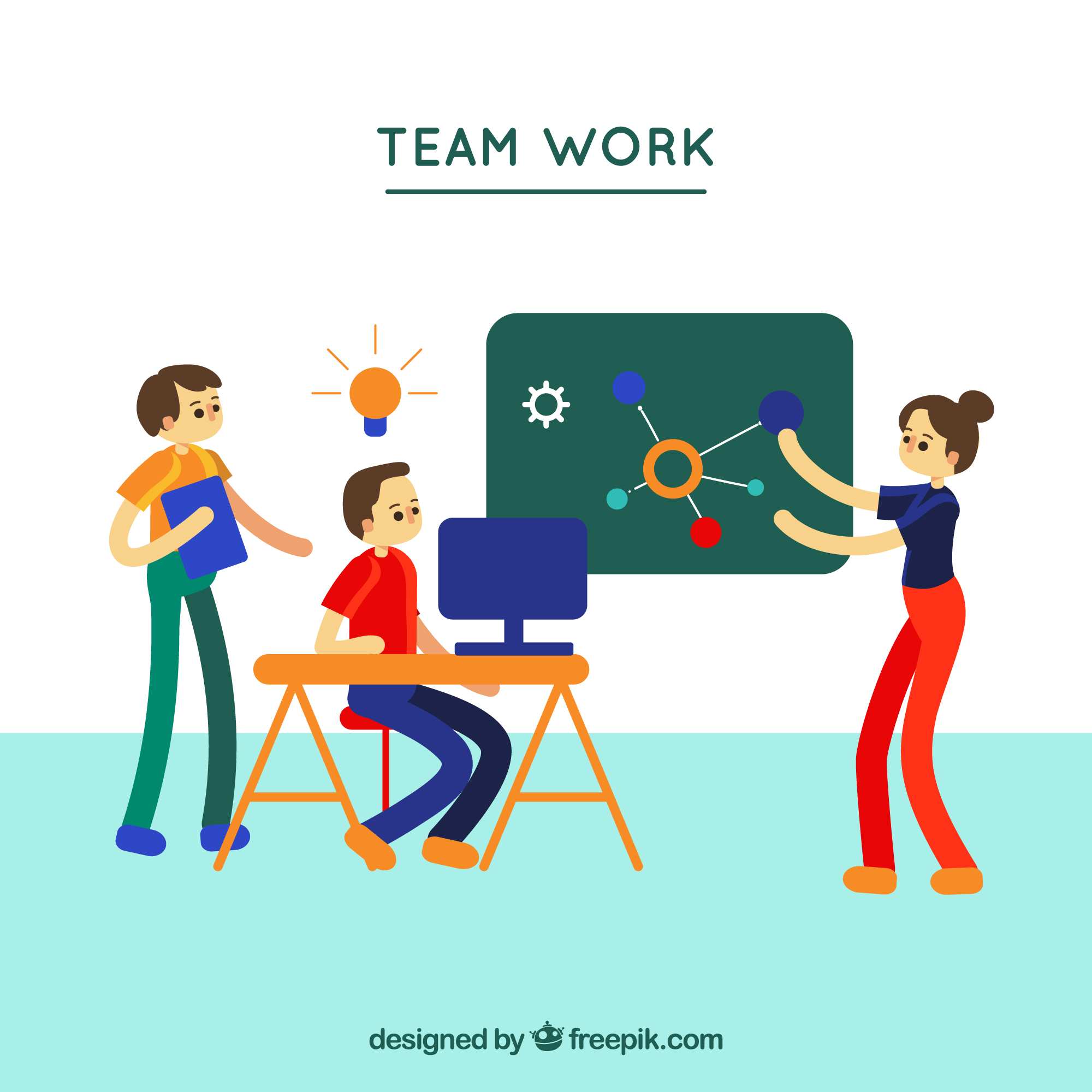
Participation in the initiatives of the student mentorship program helps the students understand the dynamics in the workplace, leadership styles, and accountability. These experiences strengthen employability skills for students by teaching cooperation and problem-solving.
Career readiness involves more than just skills; it also requires clarity about one's path. Many students find themselves uncertain about their career direction even after finishing their education.
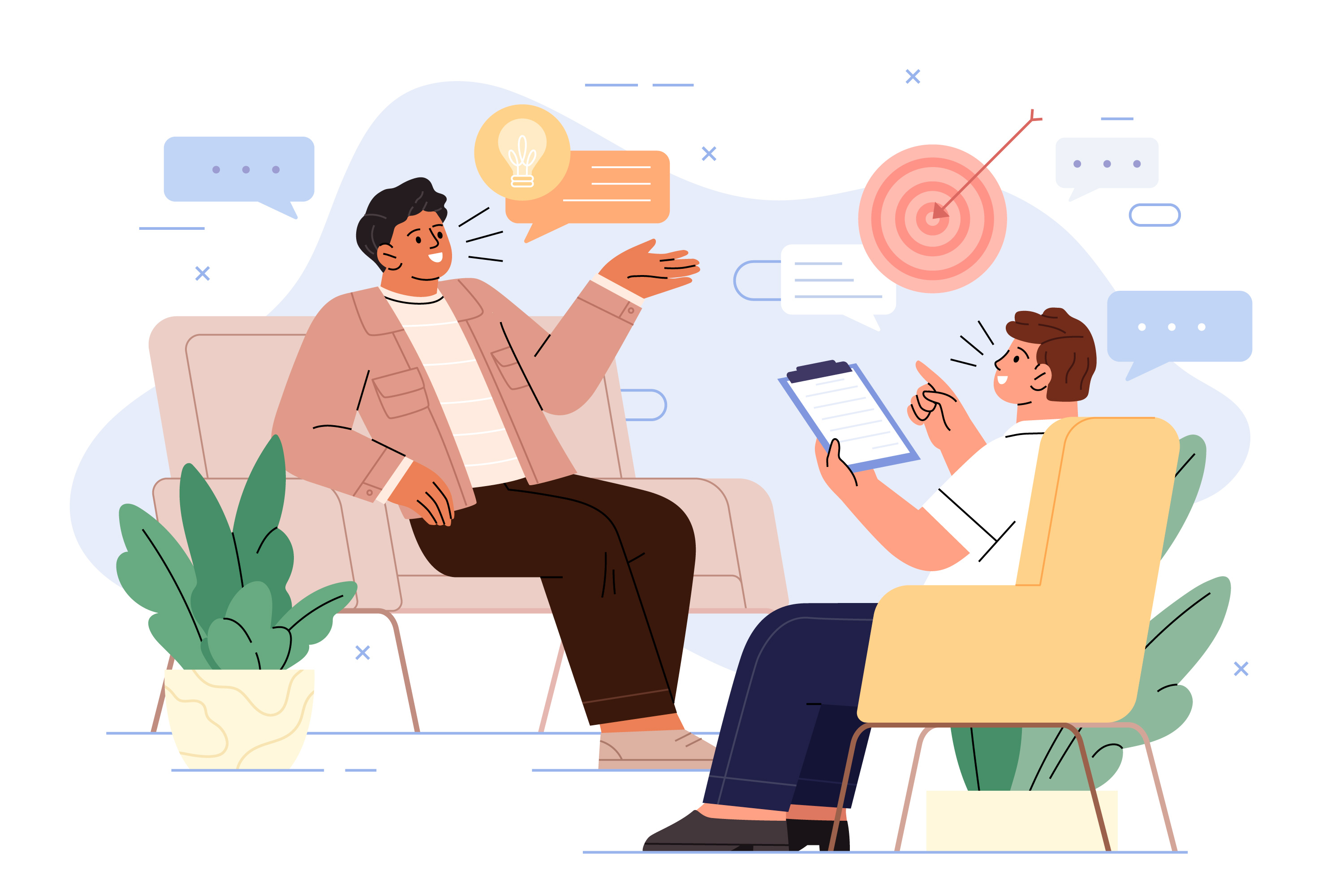
Structured career development improves a non-anxious perspective and a goal-oriented mindset. The students who know what they are searching for are more competent communicators in job interviews.
Soft skills must align with job requirements. Job readiness skills are nurtured through workplace simulations, such as job interviews, presentations, and collaborative projects.

Generally, such projects are concerned with:
Skill development courses for students, offered by platforms like CollegeCampus, provide extensive hands-on learning opportunities that help students become proficient in real-life situations. These courses also enhance their behavioral competence.
Technical knowledge may secure an interview, but soft skills are essential for long-term success. Employers are increasingly looking for graduates who can:
That is why the examples of employability skills shared by recruiters now include collaboration, emotional intelligence, and clarity of thought, in addition to academic credentials.
Colleges that focus on soft skills training for campus placement tend to achieve higher placement success and enhance student confidence. As a result, students feel more prepared to tackle professional challenges.
CollegeCampus collaborates with students to connect education with employment opportunities. Through carefully selected internships, mentorship programs, and skill-based initiatives, the platform assists students in developing their career readiness step by step.
By emphasizing skill development programs that combine technical knowledge with behavioral learning, CollegeCampus prepares students for job placements and promotes long-term career growth.
1. What are soft skills and why are they important for career readiness in college students?
Soft skills for college students include communication, teamwork, emotional intelligence, adaptability, and decision-making. These skills are essential for career readiness because employers look beyond academic degrees and value how students interact, solve problems, and perform in real workplace environments.
2. How do internships help college students develop career readiness and soft skills?
Internships provide college students in India with real-world exposure, allowing them to practice workplace communication, time management, professionalism, and collaboration. These experiences build confidence, accountability, and employability skills that cannot be learned through classroom education alone.
3. What role does emotional intelligence play in career development for students?
Emotional intelligence (EQ) helps students manage stress, accept feedback, resolve conflicts, and work effectively in teams. A strong EQ is a key component of career development, as it supports adaptability, leadership, and long-term professional growth.

Blogs


© Copyright 2023 BeWise & Wisdom Tech Solutions. All Rights Reserved. BeWise College Campus is an initiative of Wisdom Tech Solutions Pvt Ltd focused on entrepreneurship and innovation programs for higher education institutions.