
Skills & Personal Development
AUTHOR: Bewise-Admin


The world isn't waiting for students to return. Careers, technology, and opportunities are changing at a breakneck pace. In 2025, exam brilliance won't cut it. Students need functional, adaptable skills to tackle real-world challenges.
This isn't about memorising formulas or dates but about building a toolkit for life. Here are the top skills for students to focus on today.
With Google and artificial intelligence, information is everywhere. The ability to verify sources, fact-check, and draw appropriate conclusions is worth its weight in gold. Students who can examine research results and make informed choices are light-years ahead of their peers in school, in their chosen profession, and even in life.

Case studies, investigative projects, and independent research in the classroom enable students to question assumptions and to think critically.
With double assignments, extracurricular activities, and internships for high school students, time management is not a luxury; it's a necessity. Being able to prioritize, create goals, and plan effectively enables students to remain productive without becoming burned out.
Tools such as planners, computer apps, and organized routines can assist students with their workload while minimizing stress.
Working online with others across various time zones is now the standard. Students who develop effective communication skills in virtual environments have an advantage in college and professional life.
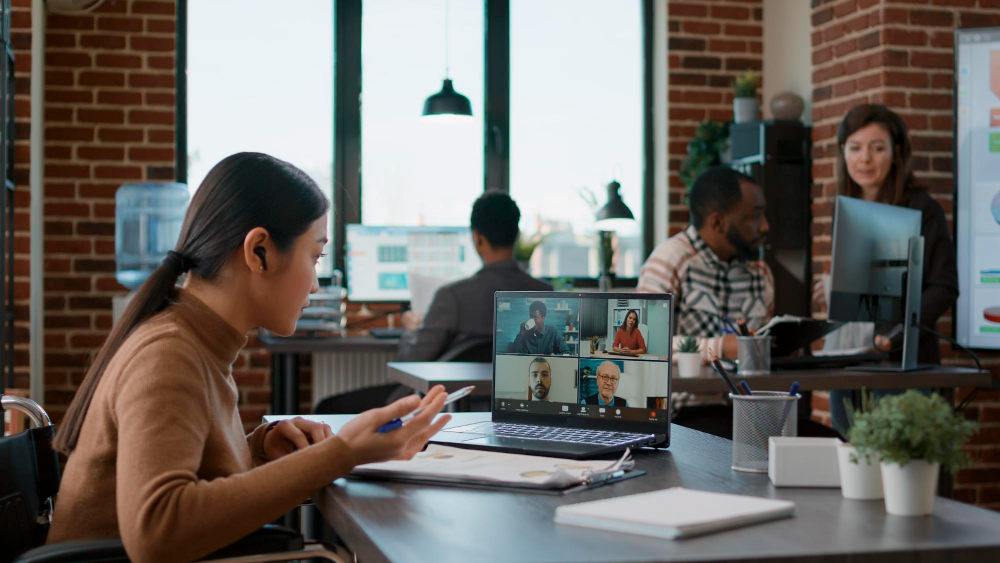
Group projects on cloud platforms, virtual internships for Indian high school students, and teamwork-based online assignments teach responsibility, coordination, and accountability.
Above critical thinking, however, is design thinking- empathizing, ideating, prototyping, and iterating solutions. This skill, practiced by students, enables them to creatively approach vague problems through school projects, social causes, or entrepreneurial ventures.
Innovation workshops, school student internships, or entrepreneurial simulations provide hands-on experience in using design thinking.
Being a persuasive communicator isn't all about speaking with confidence. It's about organizing ideas, resonating with an audience, and driving results.
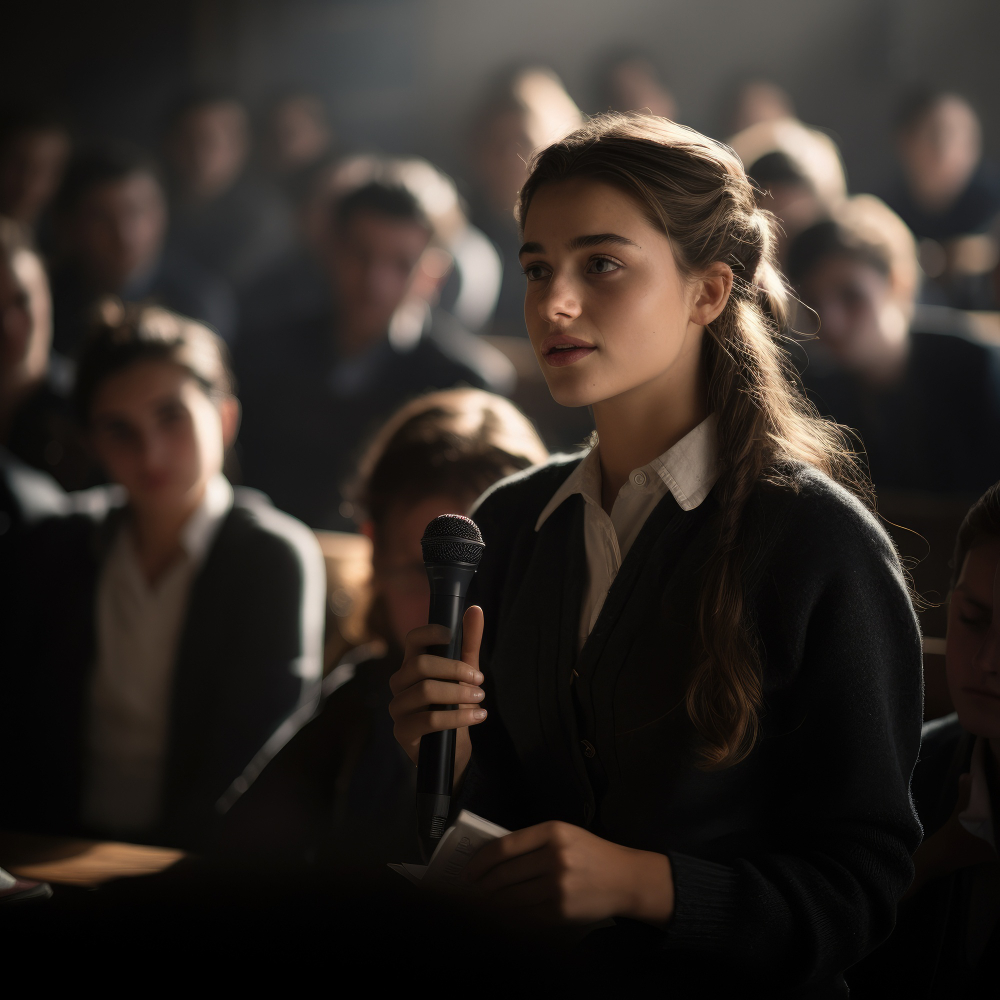
Students can build this talent via debate clubs, presentations, or online forums. Proper communication paves the way for leadership positions, internships, and group work. It is an essential component of life skills education for students of all ages.
Data is shaping every field, from business to healthcare to media. Students who understand basic analytics, charts, and numbers can make smarter decisions and contribute meaningfully in classrooms, internships, and competitions.
Integrating tools such as spreadsheets, survey spreadsheets, survey analysis, or coding basics into learning prepares students for future opportunities.
Being aware of society, government, and environmental issues is essential. Students participating in community projects, social causes, or awareness -drive to learn empathy, responsibility, and purpose.

This skill is in line with student life skills, learning to positively contribute to society while developing leadership and organizational skills.
The future is not predictable. Industries evolve, technology gets better, and career paths alter. Students who adopt continuous learning, in the form of micro-courses, certifications, or online materials — are more apt to thrive in a changing world.
Upskilling, online internships, or short-term projects can assist students in remaining flexible and competitive within a rapidly changing environment.
Knowing the distinction between entrepreneurship and an entrepreneur enables students to take informed risks, innovate, and think creatively to solve problems. Institutions that collaborate with institutions of entrepreneurship development and innovation give students a sandbox for experimentation and learning responsibility.
Small actions, such as initiating a school club or social movement, also impart learning in planning, collaboration, and decision-making.
Academic pressure, peer competition, and digital distractions are overwhelming for students. Mindfulness exercises, journaling, and reflection exercises foster resilience, concentration, and self-awareness.
Students who successfully manage stress and stay mentally clear are not just happier, but more productive, creative, and responsive.
Grades are no longer the only measure of readiness. In 2025, students must learn skills that make them adaptable, innovative, and socially responsible. Schools and parents need to collaborate to ensure students gain practical exposure through life skills education, internships, entrepreneurial programs, and digital learning.
Ask yourself: What skills are you building for the future? Are you prepared not just for exams, but for life beyond the classroom?
Beyond academic knowledge, students need critical thinking, design thinking, communication, financial literacy, adaptability, and digital collaboration. These skills equip them to solve real-world problems, work in teams, and navigate their careers successfully.
Students can practice virtual teamwork through online group projects, cloud-based collaboration platforms, and virtual internships in India. These experiences develop responsibility, coordination, accountability, and communication skills essential for future careers.
Understanding the difference between an entrepreneur and entrepreneurship enables students to innovate, take calculated risks, and solve problems creatively. Schools partnering with entrepreneurship development and innovation institutes give students opportunities to test ideas and develop real-world leadership skills.
Schools can integrate mindfulness practices, journaling, reflection exercises, and life skills programs that develop mental resilience, focus, and self-awareness. Students who manage stress and maintain mental resilience are better equipped to face academic and professional challenges confidently.

Blogs


© Copyright 2023 BeWise & Wisdom Tech Solutions. All Rights Reserved. BeWise College Campus is an initiative of Wisdom Tech Solutions Pvt Ltd focused on entrepreneurship and innovation programs for higher education institutions.