
Career Readiness & Employability
AUTHOR: Bewise-Admin


Walk into any final-year college classroom during placement season, and the tension is palpable. Students are polishing résumés, memorizing interview answers, and attending back-to-back campus placement training sessions - aptitude tests, mock interviews, group discussions. On paper, everything looks placement-ready.
Yet a few months later, many of these same students struggle. Some fail interviews despite strong academics. Others land offers but feel lost in their first weeks on the job. A few quietly realize the role doesn't suit them at all and have no framework for figuring out what would.
This gap exists because campus placement training is designed to secure a job offer, not to sustain a career. And that distinction matters more than most colleges are willing to acknowledge.
Here are five reasons why placement training alone is insufficient and why employability programs for students and skill-based learning programs are no longer optional.
Most campus placement programs prepare students for a specific format. How to answer HR questions. How to clear the aptitude round. How to introduce yourself with confidence.
What they rarely address is what happens after day one.
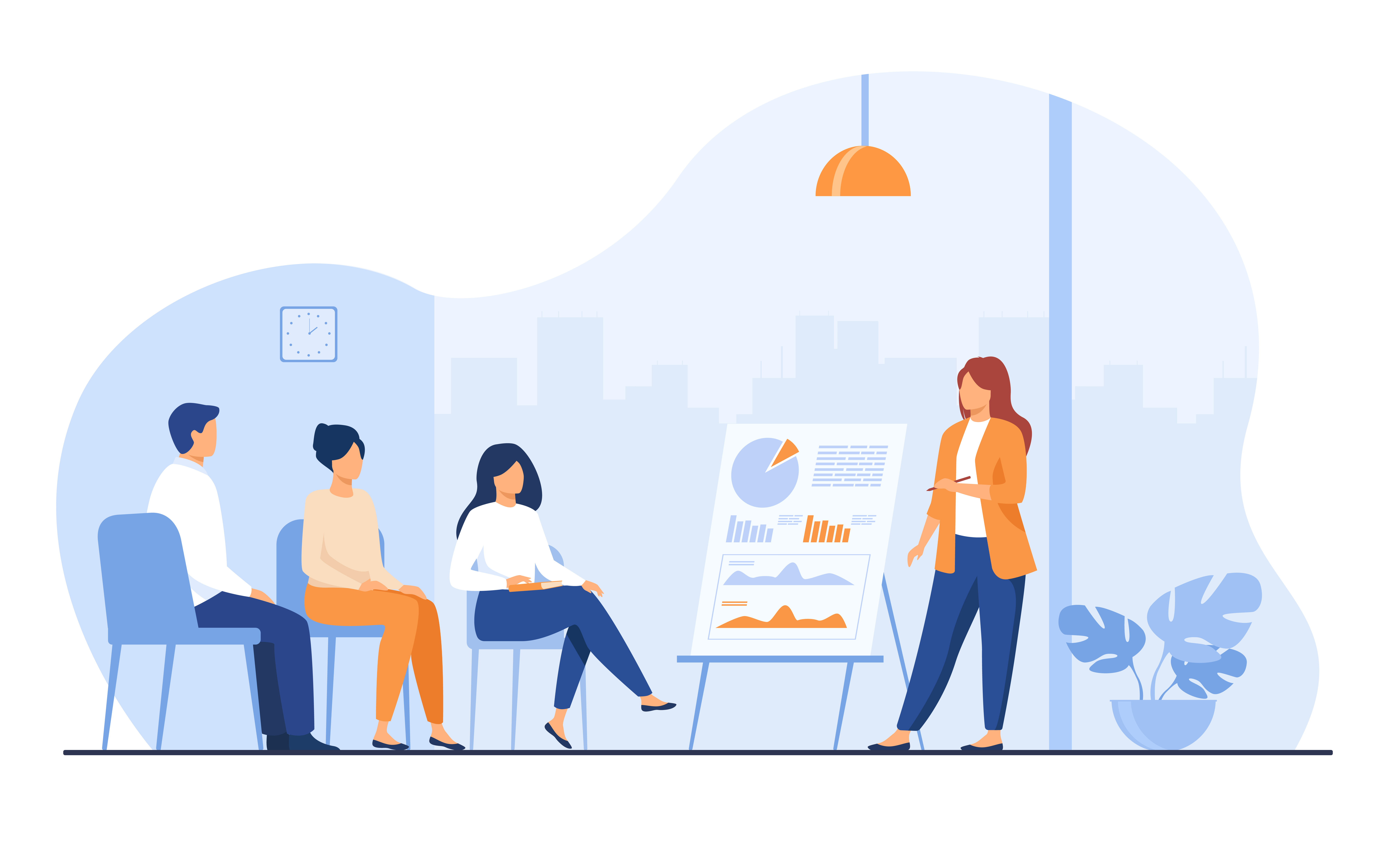
Real workplaces expect something different. Employees need to communicate clearly with managers and colleagues under pressure, ask questions without fear of looking incompetent, manage competing deadlines and genuine ambiguity, and take ownership of outcomes rather than waiting to be told what to do next.
Campus placement training gets students through the door. Employability skills determine whether they thrive once inside.
Communication, problem-solving, and adaptability consistently rank among the top three qualities employers say they want in new hires, yet these are precisely what most placement programs spend the least time developing. Without these soft skills in students, early career success can quickly give way to early career pressure.
A strong academic record can get a student shortlisted. It doesn't guarantee performance, and most employers know this.
Modern companies are increasingly explicit about wanting job-ready graduates, not just qualified ones. For entry-level roles in particular, employers weight capabilities like teamwork, decision-making, and accountability as heavily as technical knowledge. The degree demonstrates potential. Skills demonstrate readiness.
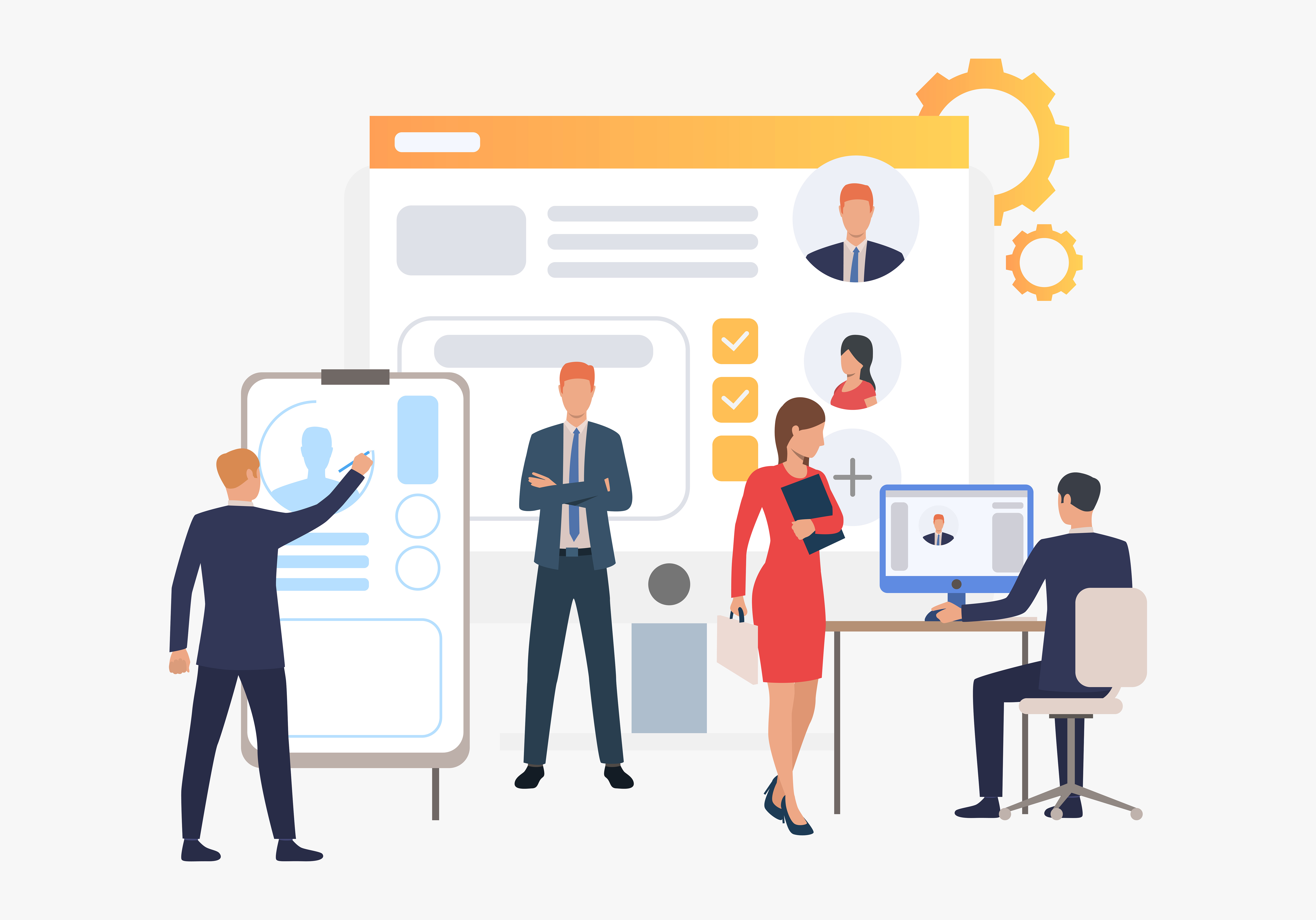
This is where employability programs for students become genuinely valuable. They bridge the gap between what college teaches and what workplaces actually test - helping students apply knowledge in real situations, work across teams and reporting structures, and handle feedback and conflict without shutting down.
A student who can do both - demonstrate academic grounding and practical capability –is a meaningfully different candidate from one who can only do the former.
Many colleges include internships in their placement ecosystem as a marker of real-world exposure. But not all internships deliver what they promise.
Students frequently complete internships where tasks are repetitive or purely observational; meaningful feedback is rare or absent, and the experience adds a line to a résumé without adding genuine capability. The certificate arrives. Learning doesn't.
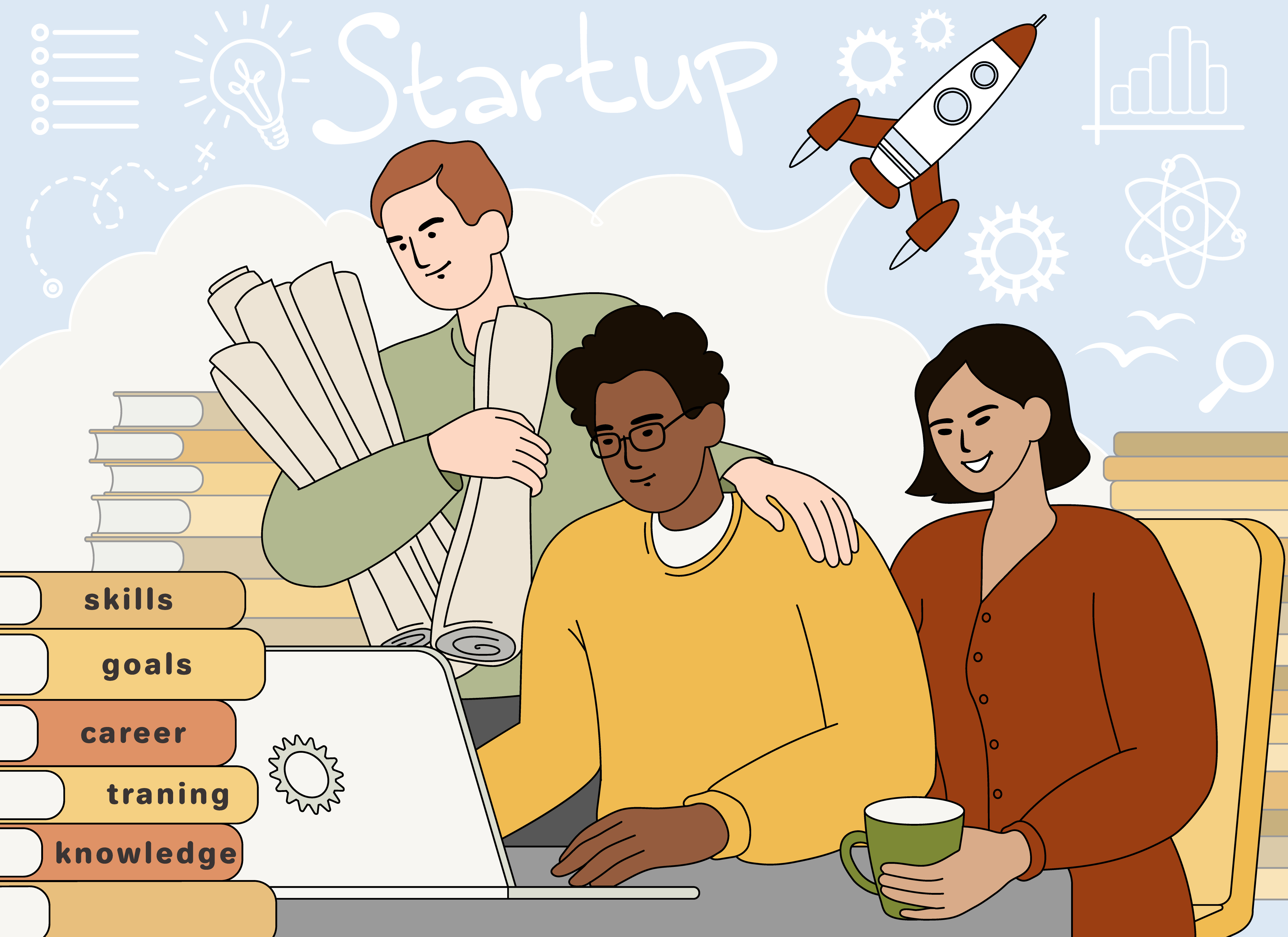
This is why structured internship pathways for college students matter and why the structure must be paired with deliberate skill development. When internships are designed alongside employability training, students build workplace etiquette, professional communication habits, and time and task management skills that transfer into any role they take next.
Platforms like CollegeCampus focus specifically on internships that produce both exposure and capability, not just certification. The goal is learning that shows up in how a student works, not just in what they can list on an application.
A significant number of students accept their first offer under the pressure of salary comparisons or the fear of being left behind. Within months, doubts set in. The role doesn't feel right. The industry isn't what they imagined. The direction feels unclear.
This is why career guidance after the 12th and continued guidance through college isn't a luxury - it's a structural need. Career readiness isn't a single decision made during placement season. It's an ongoing process that requires consistent support.
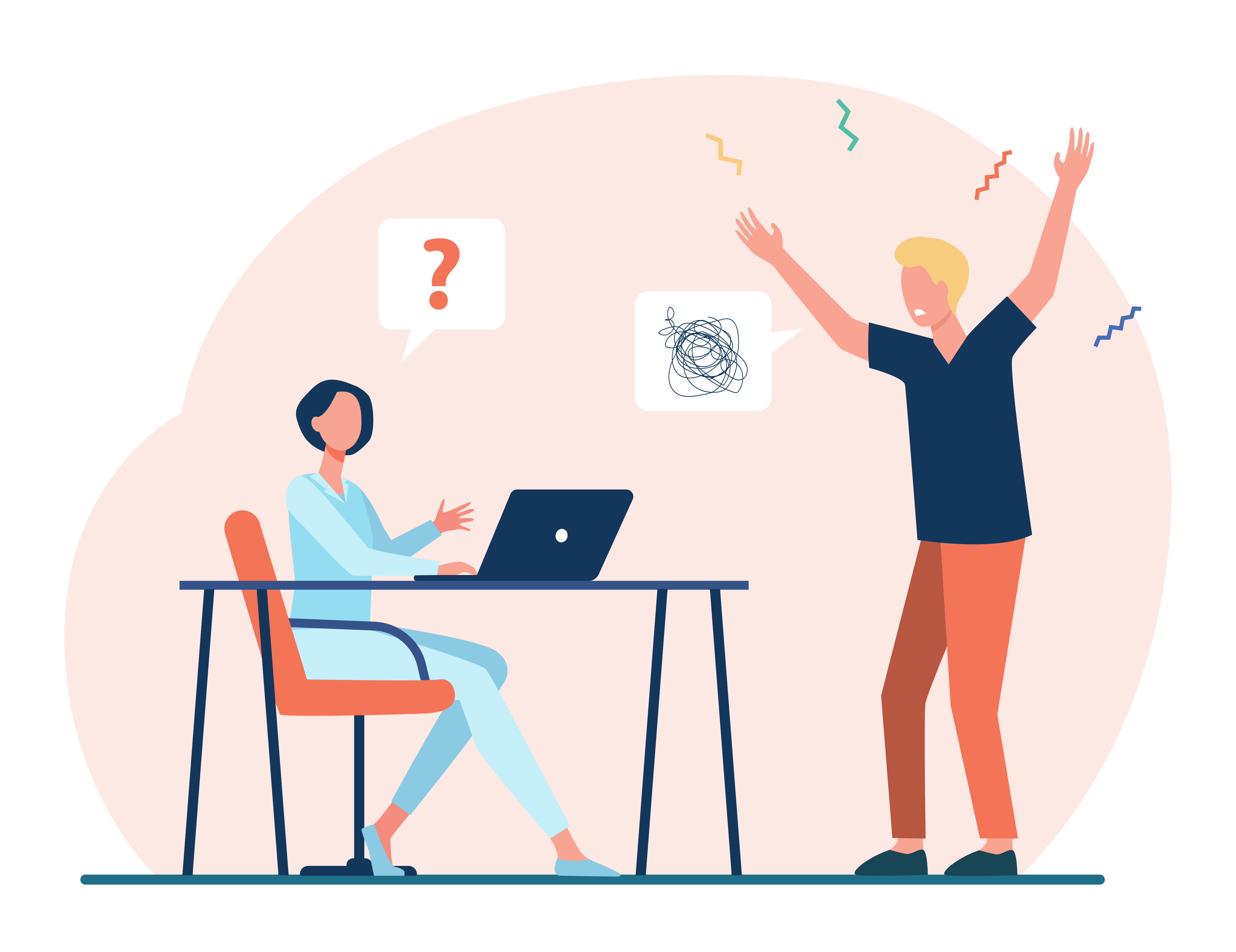
Students need help understanding their genuine strengths and interests, exploring career paths beyond the ones that appear most obviously available, and evaluating roles on criteria that go beyond brand names and starting salaries. Employability-focused guidance is what makes that possible - enabling students to make informed choices rather than hurried ones they'll spend the next few years reconsidering.
Technology will change. Job roles will evolve. Entire industries will be disrupted and rebuilt. What remains relevant across all of it are the skills that don't expire.
Employability skills such as communication, emotional intelligence, critical thinking, adaptability allow students to navigate industry transitions, manage workplace pressure without burning out, and grow into leadership over time. These aren't soft additions to a career. They are the foundation of one.

This is why skill-based learning programs are being embedded into higher education institutions globally. Universities that invest seriously in employability training see stronger placement retention and better long-term performance outcomes, not just better interview conversion rates.
Campus placement training can help students land their first job. Employability skills shape the decade of career that follows.
CollegeCampus is built around the recognition that placing students and preparing students are not the same thing and that most placement ecosystems only do the first.
By integrating structured internships for college students in India with mentorship-driven learning, employability programs for students, and genuine career guidance, CollegeCampus works to close the gap between education and the workforce. Internships are aligned with skill development so that students leave with more than a certificate - they leave with demonstrated capability and greater professional clarity.
The goal isn't just employment. It's career readiness.
Campus placements matter. They open doors. But doors mean very little if students don't know how to walk through them with confidence or what to do once they're on the other side.
In a competitive job market, interview preparation is necessary but not sufficient. Students need self-awareness, adaptability, and strong foundational skills that hold up under the pressures of real work.
If colleges want stronger long-term outcomes and if students want careers that are meaningful, not just employed, the focus has to shift from placement training alone to holistic employability development.
A job offer is the beginning. What truly matters is how ready a student is for everything that comes after it.
1. Why is campus placement training not enough for long-term career success?
Because it's designed to clear interviews, not to navigate workplaces. Without strong employability skills - communication, adaptability, problem-solving - students may secure offers but struggle to perform, grow, or stay confident once the real work begins.
2. What are employability skills and why do employers value them?
Employability skills include communication, teamwork, emotional intelligence, critical thinking, and accountability. Employers value them because they determine how well a candidate functions in a role, especially in entry-level positions where technical knowledge alone rarely predicts success.
3. How do employability programs for students improve placement outcomes?
Employability programs for students focus on real-world applications, professional behavior, and workplace readiness. Combined with campus placement training and internships, they help students perform better in interviews, transition into jobs more smoothly, and build careers with greater staying power.
4. Why are skill-based learning programs important during college?
Because transferable skills don't become relevant after graduation, they need to be developed during college, through practice and real exposure. Skill-based learning programs build the capabilities that remain useful as industries evolve, supporting both placement of success and long-term career growth.

Blogs


